

Zoo Mesh Price Guide: Animal Enclosure Selection and Costs

High Tensile Flexible Stainless Steel Rope Mesh with Sleeves
09/11/2026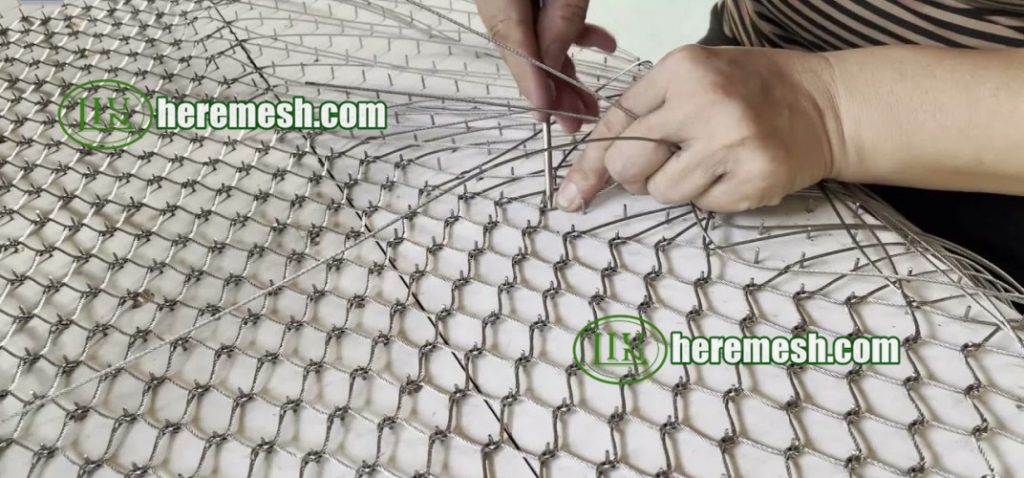
Zoo Mesh: Materials and Basic Applications
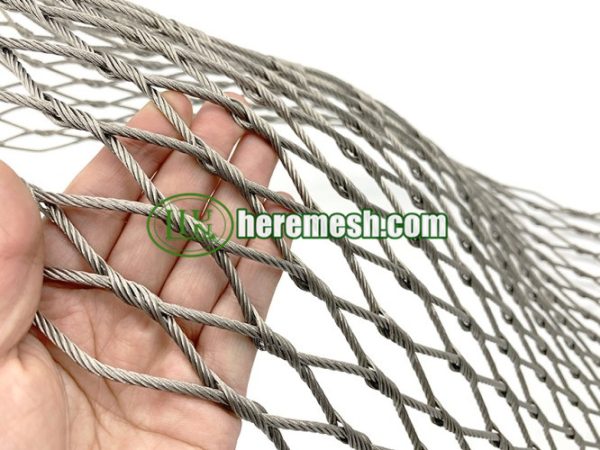
Zoo mesh, also known in the industry as zoo enclosures, stainless steel rope netting, or flexible metal mesh. It is a mesh-based protective material specifically designed to enclose animal habitats. It differs significantly from the common barbed wire and welded wire mesh we are familiar with. Zoo mesh consists of a flexible structure hand-woven or crimped from stainless steel wire ropes, whereas barbed wire and welded wire mesh are rigid structures welded from iron wire.
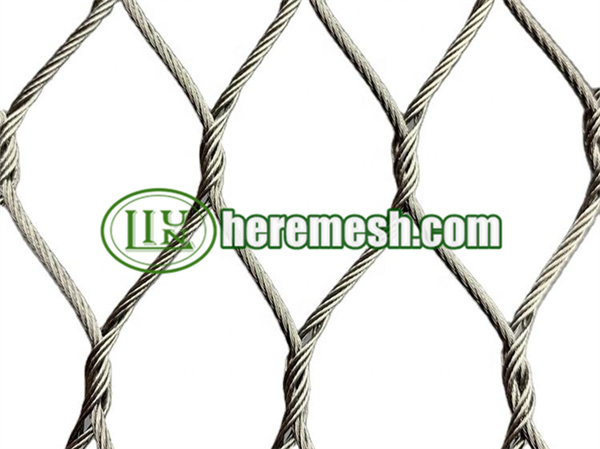
In terms of materials, zoo mesh produced by manufacturers generally uses stainless steel wire rope as the raw material. Each wire rope is composed of multiple strands of extremely fine stainless steel wires twisted together, with common configurations being 7×7 or 7×19. This means that seven strands of wire are each twisted into seven or nineteen fine wires. This structure gives the wire rope both the strength of steel and the flexibility of a rope. Ordinary barbed wire cannot possess simultaneously.
In terms of applications, zoo mesh has a wide range of uses. The most typical applications include enclosures for big cats, aviaries for birds, and activity areas for primates in zoos. In addition, this type of product is used for the boundaries of free-range areas in wildlife parks, barriers for large animals in nature reserves, livestock fencing on farms, and the ecological corridor fencing that has gained popularity in recent years. Requirements for the mesh vary significantly across different scenarios, which is why the price range for zoo mesh is quite broad.
Key Factors Affecting Zoo Mesh Price
There are many factors that affect zoo mesh price.
The first factor is the cost of raw materials. The price of stainless steel wire ropes naturally fluctuates with market conditions. Changes in the prices of alloying elements directly affect the ex-factory price of wire ropes. The price difference between 304 and 316 grades is particularly noticeable. The raw material cost for 316 is higher than that for 304. In addition, the structure and origin of the wire rope also affect costs. For products of the same specifications, those made with wire rope from reputable large manufacturers tend to be slightly more expensive, but they offer greater assurance of consistent quality.
The second factor is the weaving process and labor costs. High-quality zoo mesh is hand-woven, a process that cannot be fully replaced by machines. Hand-woven mesh features uniform mesh openings, secure knots, and a surface free of weld spatter or burrs. However, this comes at the cost of higher labor expenses and a longer production cycle. In contrast, machine-pressed mesh is more efficient and less expensive, but its surface flatness and knot strength often fall short of hand-woven mesh. This is also why quotes from different manufacturers for products of the same specifications can vary significantly.
The third factor is specifications. The thicker the wire diameter and the smaller the mesh opening, the more wire is used per unit area, and the price naturally increases.
The fourth factor is the degree of customization. Standardized mesh panel sizes offer high production efficiency and low costs. If custom shapes, special curves, or oversized panels are required based on customer drawings, production costs will rise significantly. Additionally, whether accompanying tools are needed will also affect the final total price.
The fifth factor is order volume and surface treatment. Bulk orders allow for the spreading of production setup costs, and unit prices typically include a discount. If black oxidation or other special treatments are required, an additional production step is needed compared to uncoated products, and costs will increase accordingly.
Effect of Mesh Opening and Rope Diameter on Zoo Mesh Price
Mesh opening and wire diameter are key factors that determine the price.
Wire diameter refers to the thickness of the steel wire rope. Common specifications include 1.2 mm, 1.6 mm, 2.0 mm, 2.4 mm, and 3.2 mm. The thicker the wire diameter, the greater the breaking strength of a single steel wire rope, the higher the impact resistance, and the higher the price. For example, for the same mesh opening, a 2.4 mm mesh is more expensive than a 1.6 mm mesh. This price difference stems primarily from two factors. First, the increased amount of steel used. Second, the greater difficulty in braiding thicker ropes, which also requires more labor-intensive work from the workers.
Mesh opening refers to the distance between two adjacent strands of wire rope. Common specifications range from 20 mm to 100 mm. The smaller the mesh opening, the stronger the escape-proofing capability. However, the amount of wire rope used per unit area and the number of knots will increase exponentially.
When selecting a specific model, wire diameter and mesh opening must often be considered together. For small birds, such as sparrows, the mesh opening must be reduced to less than 20 mm to prevent them from squeezing through. Since their beaks have limited strength, a wire diameter of 1.2 mm is sufficient. When these two parameters are combined, the price is actually higher than that of some specifications with larger mesh openings and thicker wire diameters, because smaller mesh openings incur higher production costs. Conversely, for large predators such as lions and tigers, mesh openings can range from 51 mm to even 76 mm, but the wire diameter must be at least 3.2 mm to withstand the impact. In this case, wire diameter becomes the primary factor affecting price.
Purchasers must determine the minimum safety requirements based on the species of animal. They should then select the parameter combination that offers the best value for money within those requirements. Pursuing excessively thick rope or excessively small mesh opening will result in wasting your budget on unnecessary features.
Zoo Mesh Price and Performance Comparison by Material
Choosing the right material is the most common source of indecision in zoo fencing procurement. And it is also one of the factors that most significantly affects price.
How do you decide whether to choose 304 or 316 stainless steel? A simple criterion is the project’s location. If the site is within one kilometer of the coastline, located in a high-humidity industrial area, or in a region where de-icing agents are used extensively during winter, 316 is recommended. Conversely, if the project is in a dry inland area with no significant corrosive environments nearby, 304 is sufficient.
Another situation worth noting is that aviaries and enclosures for large predators have inherently corrosive environments due to the long-term accumulation of animal waste. If the budget allows, choosing 316 is a safer option for these scenarios. However, if the project covers a very large area, using 316 throughout will significantly increase the total cost. In such cases, a zoned approach can be considered: use 316 for critical areas and 304 for general areas to strike a balance between safety and cost.
Factory Direct Sales
For zoo mesh of the same specifications, there is a significant price difference between purchasing directly from the manufacturer and purchasing through a distributor.
How does this price difference arise? When buyers purchase from distributors, the process involves multiple steps. With each step, an additional layer of profit, warehousing fees, and administrative costs is added. The core advantage of factory direct sales is that it eliminates these middlemen. Customers work directly with the manufacturer, and the manufacturer handles everything—from communicating requirements and confirming technical specifications to production scheduling, quality inspection, and export logistics—all in one stop. This reduces procurement costs.
Of course, factory-direct purchasing also requires customers to have a certain level of procurement capability. For example, they must be able to understand technical specifications and handle import and export customs clearance procedures. For zoos, construction contractors, and procurement agents with long-term needs, establishing a direct partnership with the manufacturer is the most cost-effective option in the long run.
Black and Natural Finish: Differences in Processing Cost and Appearance
The final factor affecting price is the surface color. Currently, the zoo mesh available on the market comes in two main varieties: natural and black.
Natural steel color mesh is the basic model and the most affordable option. It retains the silver-white metallic luster of stainless steel, creating a modern visual effect once installed. The production process is relatively simple. After the mesh is woven, it undergoes cleaning and surface treatment before being packaged and shipped.
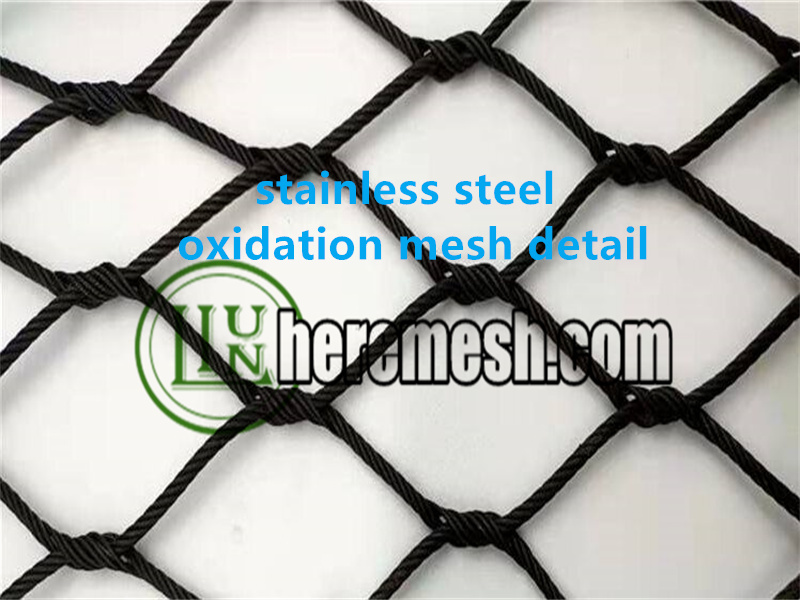
Black mesh is produced by adding an additional black oxidation treatment step to the natural steel color mesh production process. Because of this extra oxidation step, black mesh is typically more expensive than natural steel color mesh of the same specifications, and the production cycle is also ten to fifteen days longer.
Overall, the price of zoo mesh is determined by five factors. Material, specifications, manufacturing process, distribution channels, and surface treatment. When purchasing, the best approach is to establish safety requirements based on the specific animal species. Determine the appropriate material grade based on the intended environment. Select a color scheme based on your budget and aesthetic preferences. Then, find a direct-from-manufacturer channel from a reputable supplier. This is the only way to achieve the optimal balance between safety and cost-effectiveness.