

Animals Cage Mesh Order Shipped to Canada

Stainless Steel Lemur Enclosure Mesh: Create Comfortable Lemur Exhibits
06/18/2026
Metal Woven Mesh Animal Cage Net: The Optimal Choice for Modern Zoo
07/03/2026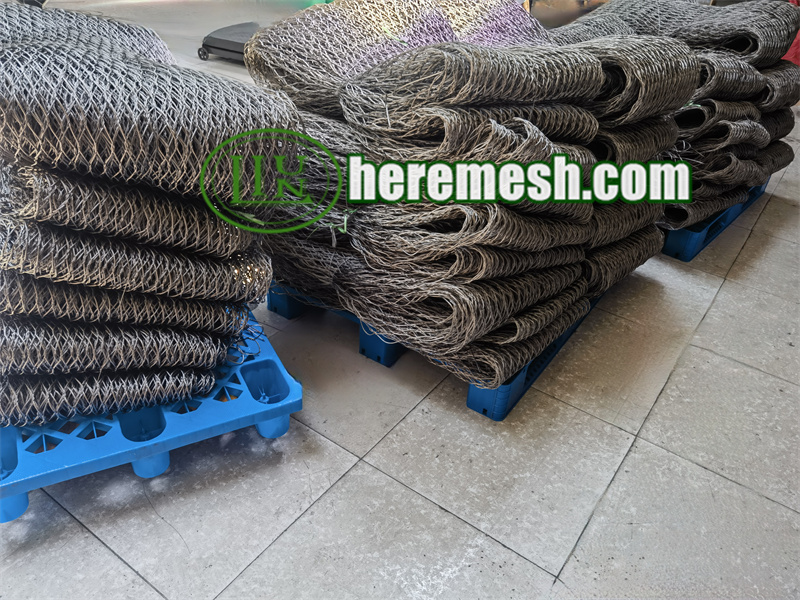
Flexible Steel Rope Mesh: The Ideal Solution for Zoo Animal Cage Mesh
Selecting the right material for zoo animal cage mesh has long been a challenging issue. Traditional iron bars are sturdy but block the view, negatively impacting the visitor experience. Welded wire mesh is inexpensive but prone to rust, requiring replacement every two to three years. Glass walls offer a clear view but are extremely costly and lack ventilation, which can affect the animals’ health.
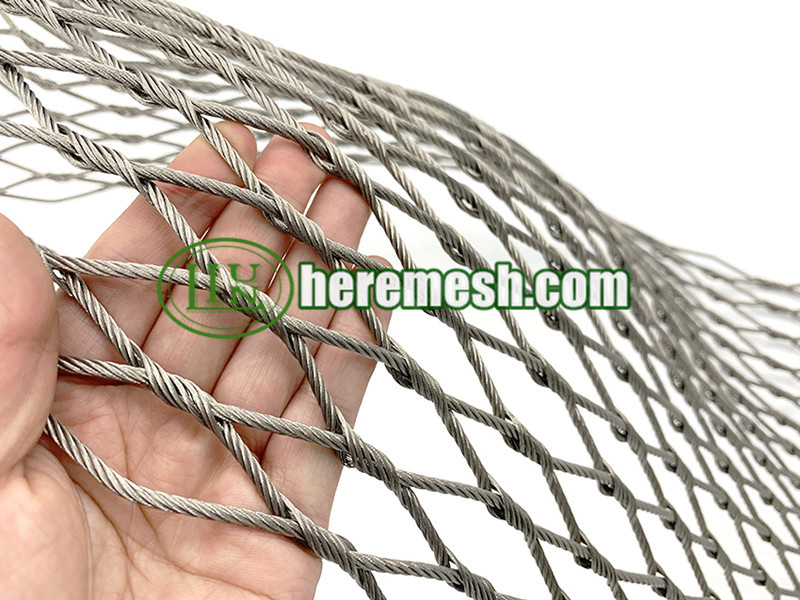
Flexible steel rope mesh has become the preferred solution for constructing animal enclosures. Stainless steel rope mesh is a diamond-shaped mesh hand-woven from stainless steel wire ropes. The wire ropes themselves are composed of dozens of extremely fine stainless steel wires twisted together, combining the strength of steel wire with the flexibility of a rope. The entire mesh can be rolled up for transport like a piece of fabric, and once unrolled, it can be stretched taut to form a sturdy enclosure.
What does this flexibility mean? It means the mesh can adapt to cage structures of various shapes. It can be used to cover the tops of animal cages and enclose their sides. For zoos, this greatly enhances the freedom of design and construction. Additionally, the rope mesh balances transparency with safety. While remaining virtually invisible, it also performs exceptionally well in terms of safety. When an animal collides with it, the mesh absorbs the impact, preventing injury.
Because of these characteristics, flexible steel rope mesh is being adopted by an increasing number of zoos. It can be found everywhere—from Europe to North America, and from large wildlife parks to urban zoos.
Large Animal Cage Mesh Shipment Delivered to Canada Smoothly
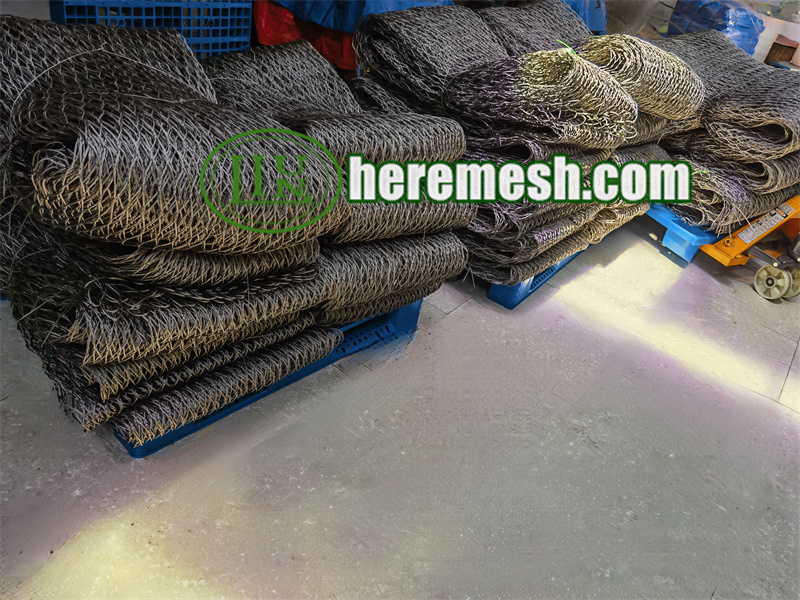
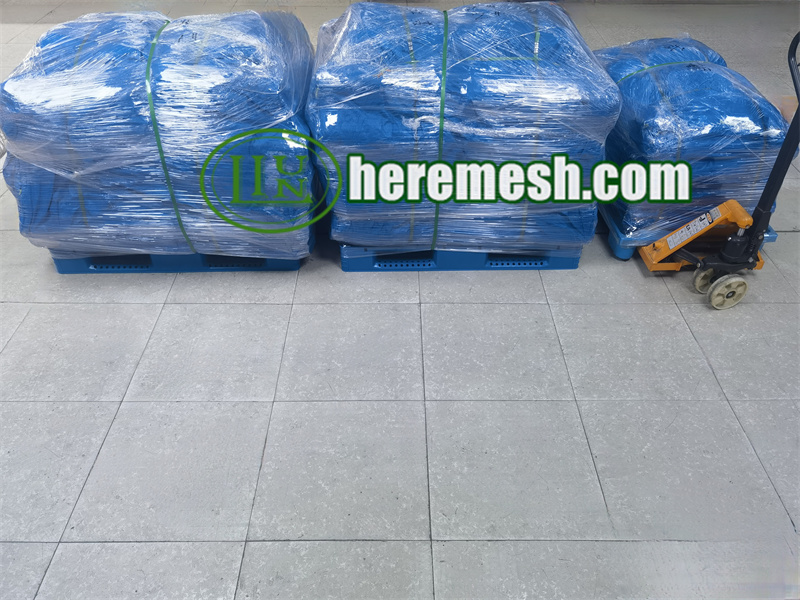
We recently completed an order for large animal cage mesh destined for Canada. The entire process, from production to shipping, went very smoothly. Since this client has been working with our company for many years, we have developed a strong working relationship.
The client is a procurement representative for a Canadian zoo who needed custom animal enclosure netting for multiple animal exhibits. The exhibits covered a large area, and each one had different specifications. The big cat exhibit required thicker cables and greater impact resistance. The bird exhibit needed a finer mesh to prevent escape. And the primate exhibit required a balance between anti-climbing features and visibility.
Upon receiving the order, our technical team first worked with the client to verify the specifications for each exhibit area one by one. We standardized the material to 316L stainless steel to ensure long-term durability in Canada’s outdoor environment. Since some individual mesh panels were very large, we consulted with the client again. Ultimately, we decided to divide some of the large panels into multiple smaller ones for production, thereby reducing production complexity.
Upon completion of production, our workers precisely wove the mesh according to the dimensions provided by the client. Before leaving the factory, each mesh panel underwent dimensional verification and a visual inspection to ensure uniform mesh openings, neat edges, and the absence of broken wires or loose strands. Finally, we labeled each mesh panel to facilitate rapid sorting and installation upon delivery.
Why Flexible Steel Rope Mesh Is the First Choice for Zoo Animal Cage
Steel rope mesh has become increasingly popular in zoos around the world. Because it effectively addresses five key aspects: large animals, small animals, diverse environments, animal safety, and animal welfare.
Suitable for Breeding Scenarios of Different Species
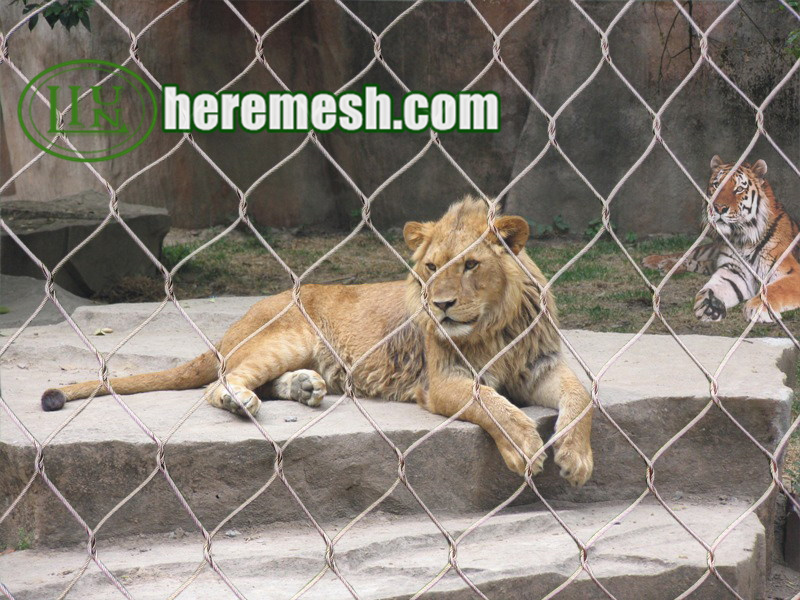
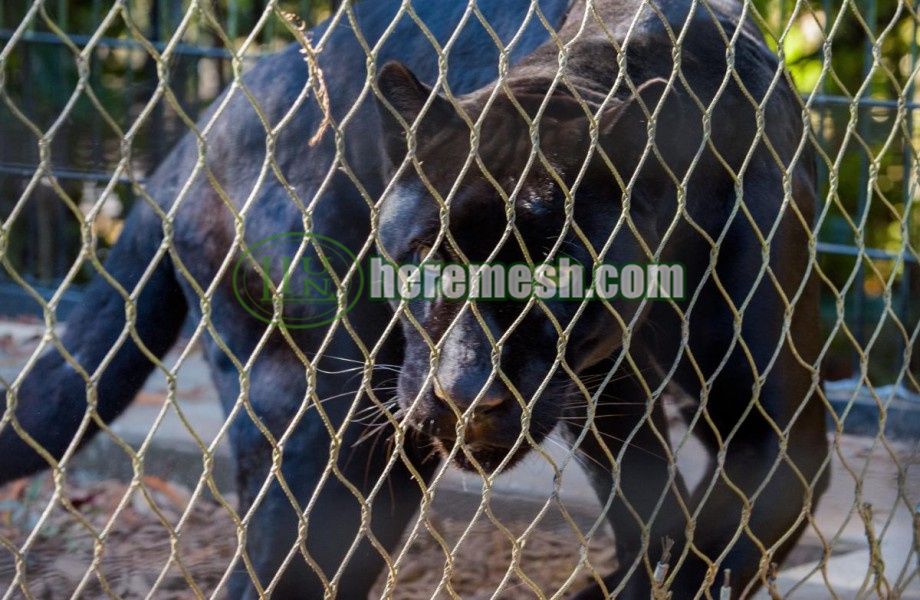
Flexible stainless steel rope mesh is ideal for large animals. Large predators such as lions, tigers, and bears exert tremendous force on their enclosures. Although the strands of stainless steel rope mesh are thin, the breaking strength of a single strand can exceed 200 kilograms. More importantly, the entire net is composed of thousands of intersecting nodes that distribute the force collectively. The impact from large predators is not concentrated at a single point but is rapidly dispersed across the entire surface of the mesh. This load-distributing structure can withstand continuous animal impacts better than steel plates of equivalent weight. In practice, enclosures for large felines typically use strands with diameters ranging from 2.4 mm to 3.2 mm, combined with a 7×19 wire rope construction, which ensures both strength and flexibility.
Suitable for small animals. Monkeys, lemurs, red pandas, and various birds can squeeze through very small gaps. The mesh size of stainless steel rope mesh can be customized to very small dimensions—as small as 20 mm × 20 mm. Moreover, because the strands are thin, even with small mesh openings, the overall transparency remains excellent, preventing the mesh from becoming “airtight.” For small animal exhibits requiring precise separation, stainless steel rope netting allows the mesh size to be precisely adjusted according to the animals’ body sizes, effectively preventing escapes without obstructing the view.
Suitable for Diverse and Complex Environments
Zoo exhibit environments vary greatly. Stainless steel rope mesh can adapt to all these environments, both indoor and outdoor. Made of 316L stainless steel, it is resistant to moisture, high temperatures, and UV rays, ensuring long-term durability in both indoor and outdoor settings. Furthermore, the diamond-shaped mesh structure allows air and water to circulate freely. Ventilation and natural light are crucial for animal health, especially for species that require natural light and fresh air.
Comprehensive Animal Safety
This is one of the most prominent advantages of stainless steel rope mesh compared to traditional metal mesh. Woven from steel cables, each knot is hand-braided or secured with clips, resulting in a smooth, rounded surface. Even repeated rubbing against the mesh with bare hands will not cause cuts.
Focus on Animal Welfare
The core objective of modern zoos has shifted from simply “displaying animals” to “allowing animals to live as naturally as possible in captivity.” Stainless steel rope mesh is virtually invisible, so animals do not constantly feel the oppressive sensation of being “confined.” It allows for ventilation and light, enabling animals to enjoy sunlight and natural breezes. Its elastic structure prevents animals from injuring themselves upon impact. In exhibits featuring highly transparent fencing, it also reduces stereotypical behaviors in animals. Animals behave more calmly and naturally, allowing visitors to observe more authentic animal behavior.
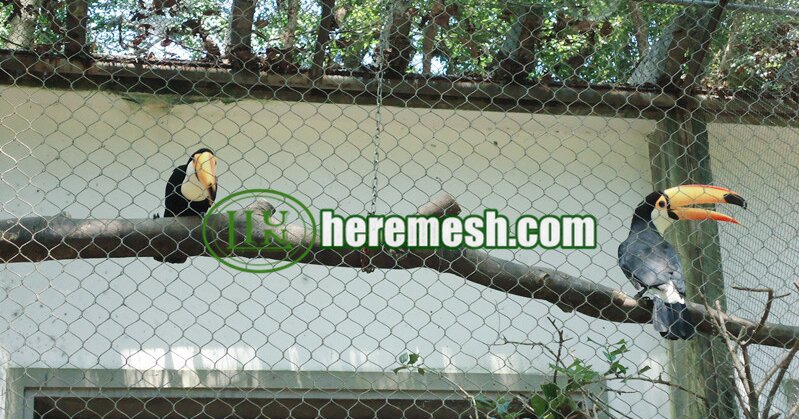
Stainless Steel Rope Mesh Resist Canadian Wet Outdoor Weather
In Canada, winter temperatures often drop to the low teens below zero or even lower. Heavy snowfall, freezing, and thawing occur in repeated cycles, and this freeze-thaw cycle causes significant damage to metal materials. Ordinary steel becomes brittle at low temperatures. And the galvanized coating cracks and peels off during repeated freeze-thaw cycles. How is stainless steel rope mesh able to hold up so well in such an environment?
First, the material itself determines its weather resistance. 316L stainless steel contains molybdenum, which forms a protective film on its surface that is far denser than that of ordinary steel. In humid environments, this protective film is not compromised by moisture or oxygen, preventing the continuous rusting that occurs with ordinary steel. Even in low-temperature environments, it retains good toughness and strength.
Second, the woven structure of the rope netting helps manage snow accumulation. The mesh openings of stainless steel rope mesh allow most snowflakes to pass straight through and fall, preventing large amounts of snow from accumulating on the surface. Even if some snow does cling to the surface, the flexibility of the netting allows it to slide off naturally under the force of gravity.
Third, there is no risk of coating peeling off. Stainless steel rope mesh does not require a protective coating, as it is inherently rust-resistant. For rope mesh treated with black oxidation, the surface color is formed by a chemical reaction within the material itself and will never peel off.
No Anti-Corrosion Maintenance, Long Service Life
The greatest long-term advantage of stainless steel rope mesh is that it is maintenance-free. Stainless steel animal cage mesh does not require annual application of anti-rust paint, nor does it require frequent replacement of parts. Once installed, the stainless steel rope mesh remains intact—the ropes will not rust and break, and the knots will not come loose—and will stay in its original condition for over twenty years. All that is needed is a periodic check to ensure that the fasteners are not loose.
Stainless steel rope mesh has a service life of up to 30 years. This is particularly important for overseas customers, as sourcing cage netting from China already involves logistics and time costs. Frequent replacement of cage mesh requires reordering, re-shipping, and reinstallation, which actually increases the total cost. Choosing stainless steel rope mesh, on the other hand, allows for a single purchase that lasts for many years, saving costs.
Stainless Steel Rope Mesh: The Main Choice for Zoos Worldwide
Stainless steel rope mesh is becoming the mainstream choice for animal cage mesh.
In Europe and the Americas, stainless steel rope mesh is increasingly being adopted in new and renovated zoo exhibits. Europe has the world’s strictest animal welfare standards, requiring zoos to provide animals with ample space to move about and natural living environments. The high transparency and flexibility of stainless steel rope mesh align perfectly with European zoo design philosophies.
In North America, zoos in the United States and Canada are also making extensive use of stainless steel rope mesh. North American zoos are generally large in size and home to a wide variety of animal species, resulting in a strong demand for customized enclosures. The ability to customize the specifications of stainless steel rope mesh as needed makes it one of the top choices for zoo projects in North America.
In Australia and New Zealand, the weather resistance of stainless steel rope mesh is particularly evident. The intense ultraviolet (UV) radiation in the Southern Hemisphere significantly accelerates material aging. Stainless steel rope netting offers strong UV resistance and maintains its performance even after prolonged exposure to sunlight.
Zoos around the world, facing diverse climates, animal species, and design philosophies, have unanimously chosen stainless steel rope mesh. This is because stainless steel rope netting effectively resolves the core challenges associated with zoo construction materials: it safely protects animals while meeting the zoos’ multifaceted needs.