

Shipping Stainless Steel Bird Aviary Netting for Zoo Aviary Exhibits

New Animal Enclosure Materials: Flexible Zoo Netting Solutions
03/20/2026
Invisible Zoo Mesh: The Ideal Replacement for Ordinary Metal Netting
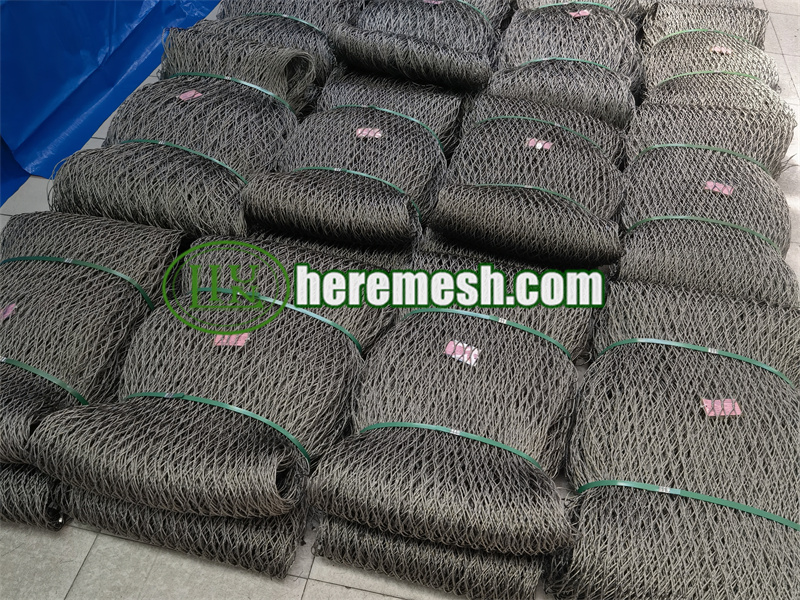
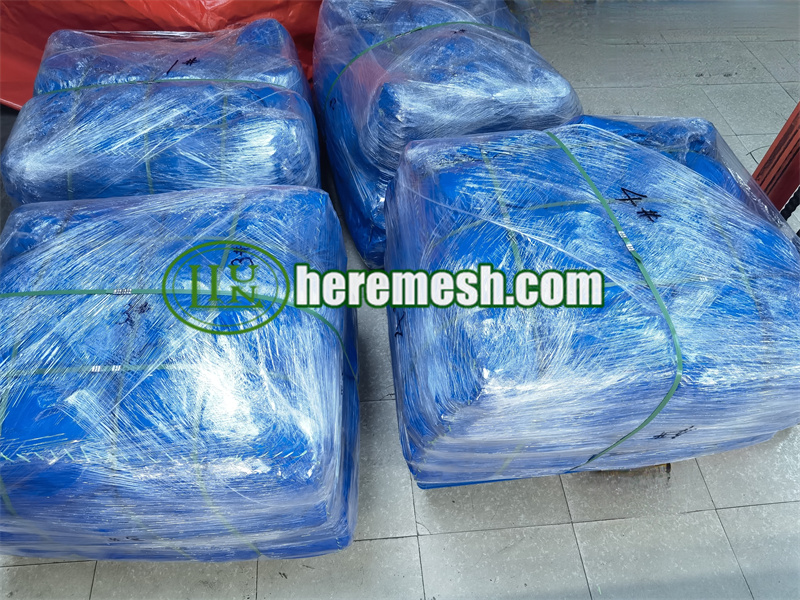
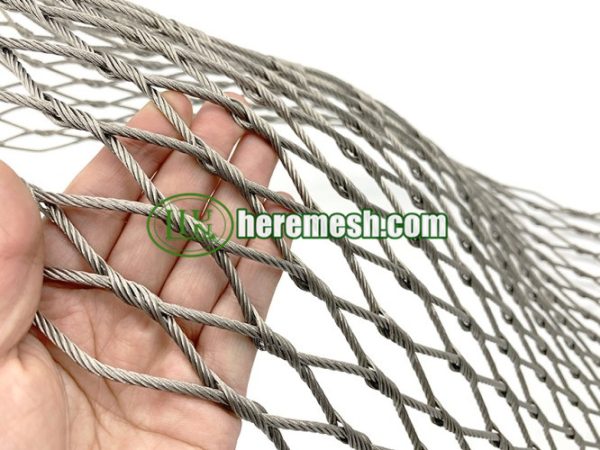
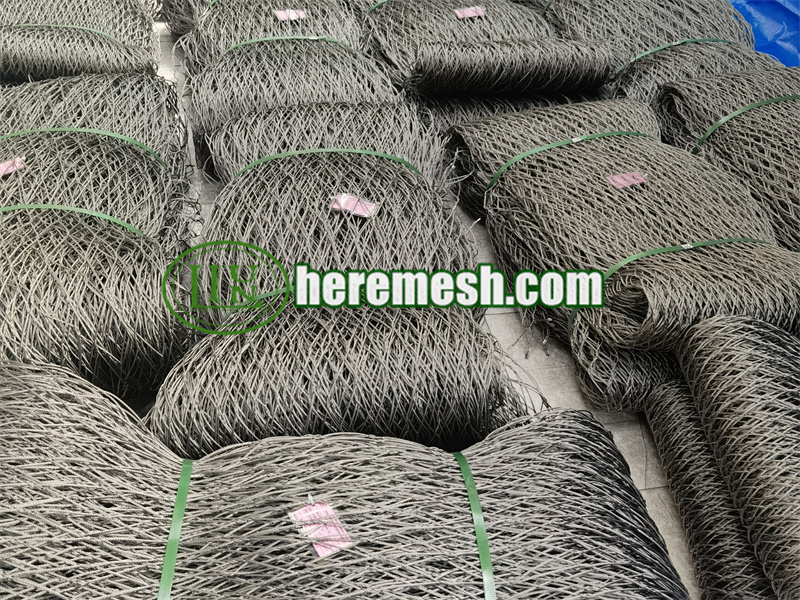
04/01/2026Today, a shipment of high-quality stainless steel bird aviary netting was successfully delivered to Beijing Airport and is set to be shipped to the United States. This shipment is not just an ordinary product delivery. It plays a crucial role in the construction of the zoo’s brand-new aviary exhibit. Once completed, the aviary will serve as a safe, comfortable, and natural home for a variety of bird species.
Our collaboration with this zoo stems from its core need to upgrade its aviary exhibit area. As animal welfare concepts have become increasingly widespread, the zoo decided to abandon the rigid fencing and standard galvanized wire mesh typically found in traditional bird enclosures. Such facilities are not only visually oppressive and easily damaged by birds such as parrots, but they also block light and detract from the natural scenery of the exhibit area, failing to meet the ecological operational requirements of modern zoos. In fact, we had sent sample references to the zoo quite some time ago. It wasn’t until this year, when the zoo had new project requirements, that they sent us an inquiry. After multiple discussions, we provided a customized solution tailored to the exhibition area’s size and the types of birds being housed. The client ultimately decided to make this project their first order with our company.
Drawing on our experience with zoo aviary construction projects, we have compiled a practical guide to building stainless steel mesh aviaries for zoos. This guide will help you efficiently construct aviary exhibits that balance safety, functionality, and aesthetics while adhering to avian behavioral needs and industry standards.
Pre-construction Prep for Aviary Area
Thorough preparation prior to construction is essential for ensuring the smooth setup of the aviary exhibition area and its safe operation in the future. Focus on the following three key tasks.
Define the Purpose and Requirements of the Aviary Exhibition Area.
First, determine the species and number of birds to be housed in the aviary. Based on the birds’ habits, specify the area, height, and enclosure boundaries of the aviary. At the same time, consider the visitors’ viewing perspective to avoid obstructing their view and ensure that the birds’ flight and roosting are not restricted. For large aviary exhibits, sufficient space must be reserved for high-altitude flight. The central height can be designed to range from 12 to 50 meters depending on the bird species.
Site Survey and Planning.
Conduct an on-site survey of the terrain, soil conditions, and surrounding environment. Identify potential hazards such as obstacles and utility lines within the site, with a particular focus on drainage to prevent water accumulation that could cause the aviary netting to rust. Plan the layout and anchor points for the bird netting, and reserve pathways for bird activity, feeding, and cleaning/maintenance. Simultaneously, plan areas for planting trees and shrubs within the exhibit to simulate the birds’ natural habitat. Ensure the aviary design is scientifically sound and reasonable, complying with zoo aviary operational standards and bird conservation requirements.
Selection of Stainless Steel Aviary Netting.
This is a critical step. Appropriate specifications must be chosen based on the characteristics of the birds. For small birds, select netting with mesh sizes no larger than 25mm × 25mm and a wire diameter of 1.2–1.6mm to prevent escape. For medium-sized birds, select netting with mesh sizes no larger than 38mm × 38mm and a wire diameter of 1.6–2.0mm. For large birds (such as red-crowned cranes, peacocks, and cormorants), select netting with mesh sizes no larger than 51mm × 51mm and wire diameters between 2.0–2.4mm. Appropriate mesh sizes and wire diameters balance ventilation and safety, preventing injuries from collisions during flight. The preferred material is 304/316 stainless steel, which offers excellent corrosion resistance, UV resistance, and anti-aging properties. It is suitable for outdoor humid environments and withstands long-term exposure to bird droppings, thereby extending service life and reducing long-term maintenance costs.
Key Points for Installing Stainless Steel Bird Aviary Netting
The installation process directly impacts the safety and stability of the aviary exhibition area. It must be carried out in strict accordance with specifications, with particular attention to the following four points, balancing bird protection with facility durability.
Construction of a Fixed Foundation.
Based on the site’s topography, construct a sturdy fixed foundation (such as concrete-poured columns or steel structural supports). The spacing and height of the columns must be designed in consideration of the load-bearing requirements of the aviary netting. For large aviary exhibits, additional horizontal wind-resistant cables must be installed to ensure the structure can withstand external forces such as bird impacts and wind, thereby preventing loosening or tilting in the future. Once the foundation is complete, it must undergo inspection; only after confirming its stability may the next steps proceed. Welded joints on the columns must undergo solution annealing to prevent rust and cracking.
Aviary netting Installation and Securing.
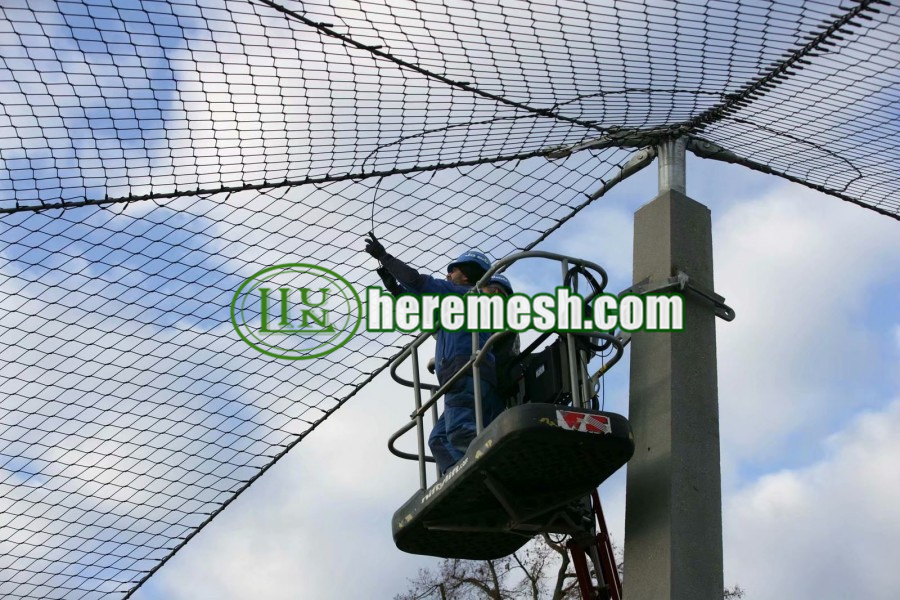
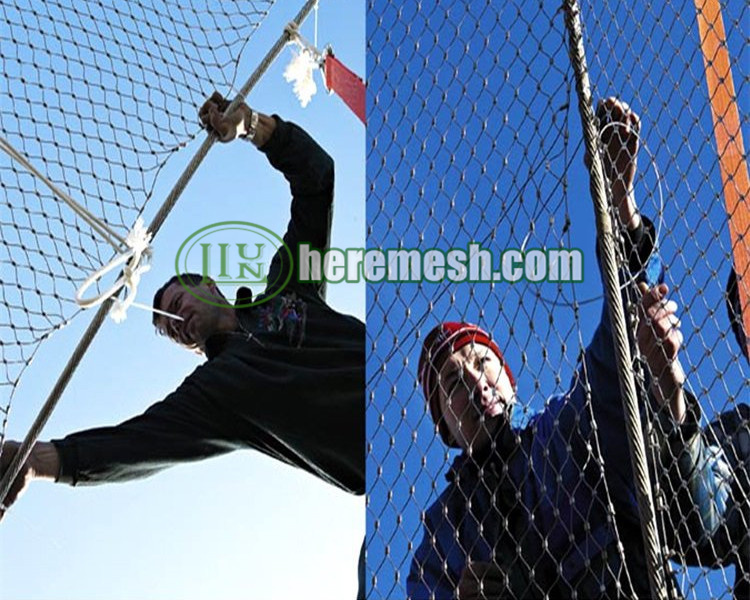
Lay out the custom-made stainless steel aviary netting according to the planned layout. During installation, the netting must be kept flat and taut to prevent sagging or wrinkling. The netting must be secured to the foundation using specialized stainless steel fasteners to ensure a firm connection with no gaps or looseness. These fasteners must be treated with rust-proofing to prevent corrosion from prolonged outdoor exposure. The netting must completely cover the entire aviary exhibition area without gaps to prevent birds from escaping along the edges.
Detail Finishing.
For the edges and corners of the aviary exhibition area, sand the surfaces to remove burrs. Protective covers or edge trims may also be installed to prevent scratching the birds’ feathers and skin. If the aviary exhibition area needs to be divided into separate activity zones for different bird species, use netting of different specifications for partitioning, while reserving access doors to facilitate staff entry, feeding, and cleaning. Outdoor aviary exhibits must be fitted with protective netting on the roof to prevent birds from escaping and to protect them from falling objects. Small aviaries may include perches, sandy areas, and water pools to accommodate the birds’ natural behaviors. For large aviary complexes, the dimensions of the netting panels should be planned reasonably. It is recommended that the width not exceed 8 meters and the length not exceed 20 meters to facilitate installation and future maintenance.
Construction Acceptance.
Upon completion of construction, conduct a comprehensive inspection. Inspect the securing of the bird netting, mesh size, and surface flatness, and test the netting’s load-bearing capacity and stability. Focus on verifying that fasteners are secure, the netting surface is free of damage, and edges and corners are properly finished. Simulate bird activity scenarios to identify and address all potential safety hazards, ensuring compliance with zoo aviary safety standards and bird conservation requirements. The facility may only be put into use after passing inspection. For large aviaries, conduct stress tests to ensure uniform tension across the aviary netting surface and the absence of stress concentration.
Post-installation Maintenance and Care
Although stainless steel aviary netting offers excellent durability, ongoing maintenance should not be overlooked, especially in outdoor aviary exhibits where bird droppings tend to accumulate. To extend the lifespan of the netting and ensure the safety of the birds, the following three points must be addressed.
Regular Inspections
Conduct a comprehensive monthly inspection of the aviary netting, mounting foundations, and fasteners. Check for loose, broken, or damaged netting, as well as rusted fasteners or tilted foundations. Pay special attention to areas frequently contacted by birds and the edges and corners of the netting. Address any issues promptly to prevent potential hazards from escalating.
Cleaning and Maintenance
Clean the bird netting quarterly to remove surface dust, dirt, and bird droppings. Use clean water for rinsing and avoid corrosive cleaning agents to prevent damage to the netting material. In damp areas, improve ventilation to reduce the risk of rust. In winter, regularly clear snow from the netting in snow-prone areas to prevent the netting from collapsing under excessive weight.
Regular Replacement
Replace the bird aviary netting periodically based on its service life and wear and tear. In particular, areas frequently subjected to bird pecking or collisions should have shorter replacement cycles to ensure the safety of the aviary and exhibition areas. Old netting removed during replacement must be properly recycled to prevent environmental pollution.
Construction Tips
Never use substandard bird netting.
Safety is of the utmost importance in zoo aviary exhibits. Never opt for low-grade, substandard netting simply to save costs. Substandard netting is prone to tearing and rusting; not only does it fail to effectively prevent birds from escaping, but it may also injure the birds or even lead to safety incidents. Poor-quality mesh is likely to tear and rust. This not only compromises bird containment but also poses a risk of injury to the animals or potential safety hazards.
Design in Accordance with Bird Behavior.
During construction, fully consider the birds’ behavioral habits to avoid sharp edges and narrow spaces that could cause injury. For aviaries housing birds that like to peck, such as parrots, use high-strength, bite-resistant stainless steel netting to prevent damage. Aviaries for small songbirds must ensure the netting is open and breathable, so as not to obstruct natural light or flight. Enclosures for large wading birds must provide ample space for movement while simulating natural habitats by incorporating perches, water sources, and other amenities to minimize stress in the birds.
Compliance with Industry Standards.
Strictly adhere to relevant industry standards for the construction of zoo aviary exhibits to ensure safety and environmental sustainability, while also prioritizing the visitor experience, thereby achieving a balance among “bird conservation, visitor experience, and operational efficiency.” Bird enclosure netting must be securely and reliably installed to prevent loosening or sagging, which could trap birds. Develop a bird rescue plan; if a bird is found trapped in or entangled by the netting, it must be promptly rescued and properly handled.
Conclusion
This order for stainless steel bird netting represents a significant step toward the ecological upgrade of zoo aviary exhibits. We remain committed to providing high-quality stainless steel bird netting products combined with professional solutions to offer safe, reliable, and aesthetically pleasing protective barriers for zoos, bird sanctuaries, and similar settings. Our products are designed to meet the habitat needs of various bird species while balancing practicality with ecological considerations.
If you require assistance with the construction of zoo aviary exhibits, selecting stainless steel bird aviary netting or arranging installation services, please feel free to contact us at any time. We will provide you with a customised solution to help you create aviary exhibits that are of a higher standard and better suited to the natural behaviours of birds.