

Zoo Animal Enclosures Construction: Key Tips for Animal Safety

Stainless Steel Rope Nets Head to South African: Mandrill Fence Nets
12/30/2025
Stainless Steel Cargo Net: Optimal Truck Cargo Covering Solution
01/16/2026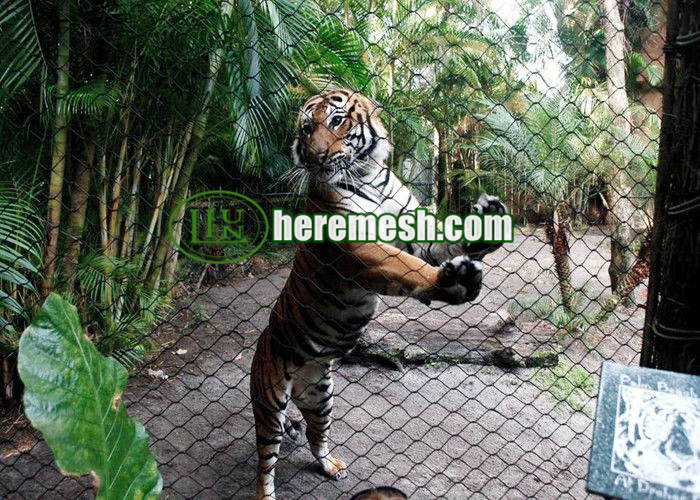
Zoos serve not only as “ windows to nature” within cities but also as vital bridges connecting humans and wildlife. High-quality zoo animal enclosures fulfill missions of species conservation and scientific research while also supporting public education and recreation. The core of exhibit construction lies in balancing three essential needs: animal welfare, public safety, and ecological display. In this process, stainless steel rope netting has become the material of choice for animal enclosures and aviary netting due to its unique performance advantages. This article delves into how stainless steel rope netting contributes to creating safe, natural habitats for animals within zoo animal enclosures.
What is a zoo?
In a narrow sense, a zoo is a facility that breeds, exhibits wild animals, and is open to the public. However, in a broader sense, modern zoos have long transcended the single function of “animal viewing.” Zoos have evolved into comprehensive institutions integrating species conservation, scientific research, science education, and ecological display.
Zoos provide the public with opportunities for close encounters with wildlife. Simultaneously, they serve as vital bases for protecting endangered species. They use artificial breeding and other effective means. They use artificial breeding and other effective means. They help many species on the brink of extinction continue.
An ideal animal enclosure should simulate the species’ natural habitat, allowing animals to exhibit their natural behaviors. It must also ensure public viewing safety and comfort while balancing durability and ease of maintenance. Under this objective, the choice of building materials is particularly critical. The advent of stainless steel rope mesh provides a near-perfect solution for exhibit construction.
Crafted from high-strength stainless steel wire through specialized weaving techniques, stainless steel rope mesh combines exceptional strength, high light transmission, corrosion resistance, and flexibility. It meets the safety requirements for animal enclosures while maximizing the visual authenticity of natural habitats. Animals thrive in relatively free environments, and visitors enjoy an immersive viewing experience.
Zoo animal enclosures and regulations
The construction of the zoo animal enclosures must strictly follow a series of industry norms, animal welfare standards and safety regulations. These constraints and standards serve as the bottom line for ensuring the health of animals and public safety, and are also the core basis for the selection of materials for the exhibition area. Stainless steel rope nets are precisely the high-quality materials that fully comply with these standards.
Animal welfare-related regulations
Animal Enclosures must provide animals with sufficient space for activity and suitable habitats, avoiding restrictions on natural behaviors caused by enclosure materials or structures.
Traditional enclosure materials present numerous drawbacks. Reinforced concrete enclosures are highly enclosed with limited visibility, easily inducing stress responses in animals. Ordinary wire mesh lacks flexibility, rusts easily, and deforms, potentially injuring animals while restricting their mobility.
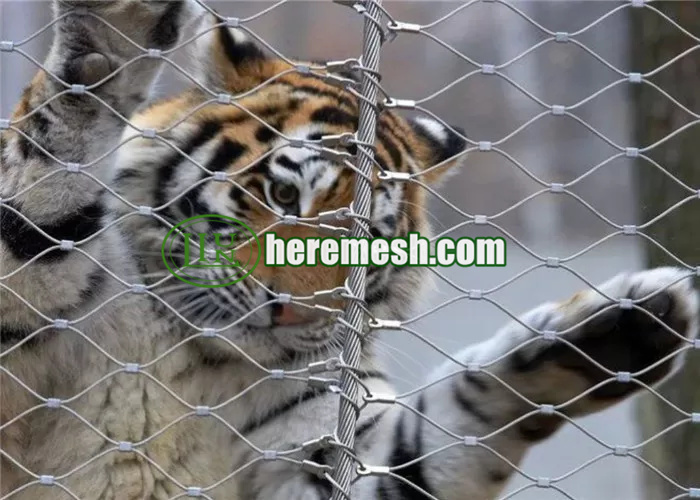
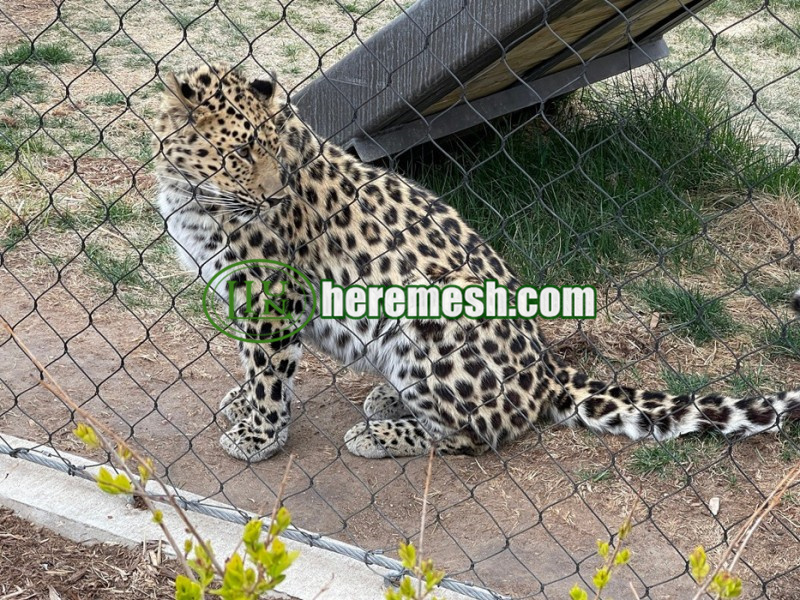
Stainless steel rope netting perfectly addresses these issues. First, its flexible woven structure lacks sharp edges, preventing physical harm to animals. Animals can freely stretch their limbs while climbing or jumping, fully expressing natural behaviors. Second, mesh aperture can be customized for different animal sizes—fine mesh prevents escapes for birds and small mammals. For large predators, thicker wire diameters and larger mesh sizes can be employed, ensuring safety without restricting movement. Third, stainless steel rope netting exhibits exceptional corrosion resistance. Even in damp enclosures contaminated with feces and urine, it will not rust or release harmful substances.
Safety standards Regulations
Animal enclosure safety encompasses two dimensions: animal safety and public safety.
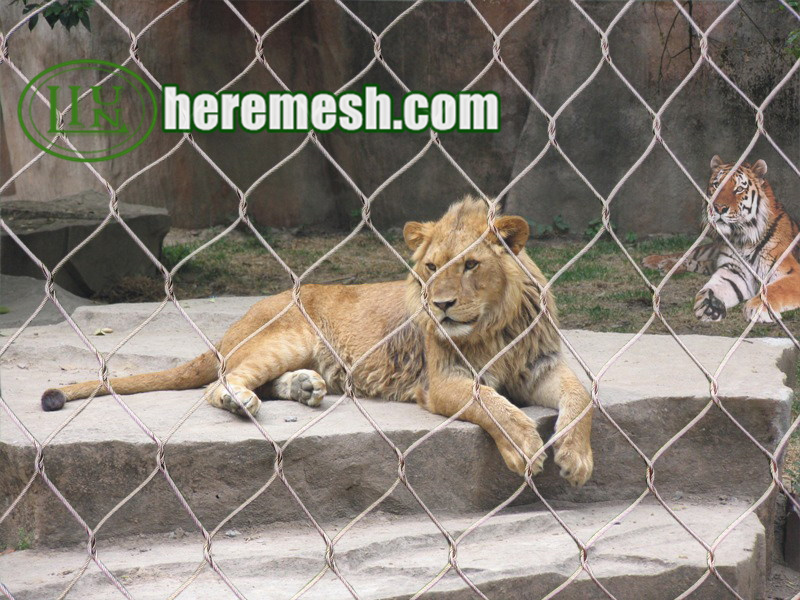
From an animal safety perspective, enclosure materials must possess sufficient strength to prevent animal escape or harm from predators. Stainless steel rope mesh can be customized with wire diameters tailored to specific needs, offering high tensile strength capable of withstanding collisions and bites from large predators. For enclosures housing large felines such as tigers and lions, the use of thickened stainless steel rope mesh provides significantly superior protection compared to traditional wire mesh. Additionally, the knots in stainless steel rope mesh are secure and resistant to loosening, eliminating the risk of “mesh failure leading to animal escape.”
From the public safety perspective, exhibition areas must feature effective protective barriers to prevent direct contact between animals and visitors, while ensuring the barrier materials pose no harm to the public. Stainless steel rope mesh offers excellent light transmission, ensuring unobstructed views for visitors observing animals. Its smooth, burr-free surface prevents skin abrasions to animals. Furthermore, stainless steel rope mesh exhibits exceptional weather resistance. Long-term exposure to outdoor elements—wind, sun, and rain—causes no aging or breakage, eliminating safety hazards from material failure.
Environmental Protection Standards
The zoo animal enclosures are made of 304 or 316 stainless steel wire, which contains no toxic or harmful substances and fully complies with environmental protection requirements. At the same time, the service life of the stainless steel wire mesh can last for over 30 years, significantly reducing the long-term maintenance costs of the exhibition area. Its cleaning and maintenance are also extremely convenient, requiring only regular rinsing with clean water.
Creating Truly Natural Habitats
Creating naturalized animal habitats is the core objective in constructing modern zoo exhibits. A “natural habitat” refers to an artificial environment that maximally simulates an animal’s native ecological setting, enabling animals to adapt and exhibit natural behaviors. Stainless steel cable mesh is precisely the key building material for achieving this goal.
The core of natural habitat design
The design of natural habitats must adhere to three core principles: ecological restoration, behavioral guidance, and visual transparency. Ecological restoration involves simulating key elements of an animal’s native environment, such as terrain, vegetation, and water sources. Behavioral guidance encourages animals to exhibit natural behaviors like climbing, jumping, and foraging through environmental design. Visual transparency ensures visitors can clearly observe animals in their natural states while preventing stress responses caused by excessive observation.
Traditional enclosure materials often struggle to balance these three aspects. Reinforced concrete walls fragment the natural feel of the space, making exhibits appear rigid and oppressive. Standard wire mesh offers strong obstruction, hindering viewing angles while rusting easily and detracting from aesthetic appeal. The advent of stainless steel zoo animal enclosures has broken this impasse.
Stainless Steel Cable Nets: Boosting Ecological Restoration
Stainless steel rope netting offers exceptional flexibility and malleability, allowing for adaptable installation tailored to the terrain of exhibition areas. Whether in mountainous regions, forests, or other complex landscapes, stainless steel rope netting can create enclosures that seamlessly integrate with the natural environment.
Take bird exhibits as an example: Traditional aviaries often rely on glass or wire mesh enclosures, limiting the birds’ activity space. In contrast, aviaries constructed with stainless steel rope netting enable large-scale open designs. The nets can be constructed along the contours of trees, perfectly simulating a wild habitat. Additionally, stainless steel rope netting offers high light transmission, allowing ample sunlight to penetrate the aviary, promoting plant growth and further replicating natural ecosystems.
Consider primate exhibits: Primates excel at climbing and leaping, yet the fixed structures of traditional enclosures fail to meet their behavioral needs. Stainless steel rope netting, however, enables the construction of multi-level, three-dimensional enclosures, providing primates with abundant climbing space. The flexible structure of the rope netting also cushions the impact of the animals’ jumps, preventing injury. Visitors standing outside the exhibit area can clearly see monkeys and apes moving through the forest-like environment through the rope netting, creating the illusion of being immersed in a pristine jungle.
Balancing Animal Welfare and Visitor Experience
Designing natural habitats requires striking a balance between animal welfare and the public viewing experience. The invisible protective properties of stainless steel rope netting perfectly achieve this equilibrium.
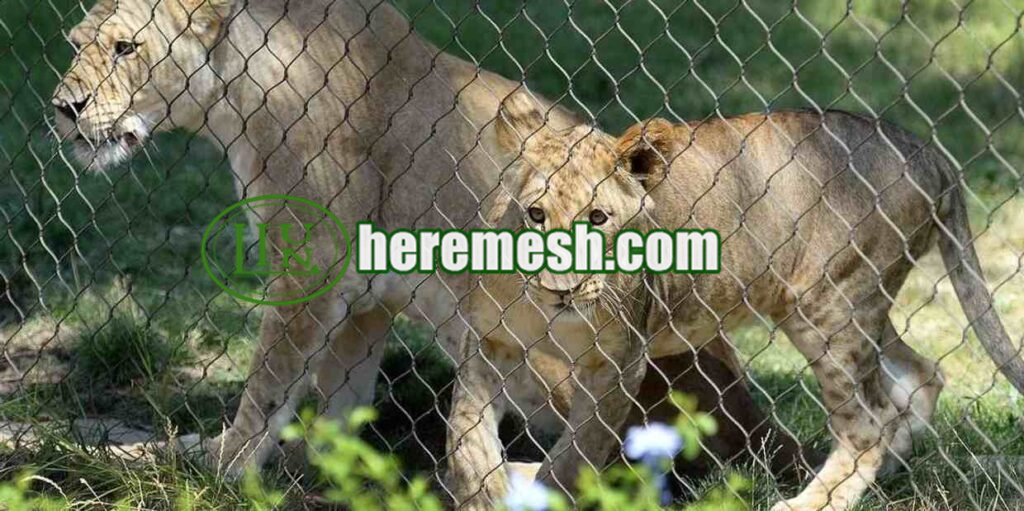
On one hand, the fine steel wire structure of the netting appears remarkably “lightweight” visually, blending almost seamlessly with the natural surroundings when viewed from a distance. Animals moving within the enclosed space feel no significant sense of confinement, thereby reducing stress responses and exhibiting more natural behaviors.
On the other hand, visitors observing animals through stainless steel rope netting experience unobstructed views, creating an immersive viewing experience. Unlike glass barriers, it avoids glare and distortion. Compared to wire mesh, its uniform mesh openings significantly enhance visual appeal.
Additionally, stainless steel rope netting can be combined with other natural materials like timber, rocks, and vines to further enhance the exhibit area’s natural ambiance. For instance, in large herbivore exhibits, using stainless steel rope netting as perimeter protection allows visitors to observe animals in their most authentic living conditions.
Selection of Materials
The selection of construction materials for zoo animal enclosures is a critical factor determining the quality and service life of exhibition areas. Among numerous enclosure materials, stainless steel rope netting stands out as the optimal choice for zoo enclosures and aviary netting due to its comprehensive performance advantages. This section will examine core material selection principles, compare traditional materials with stainless steel rope netting, and thoroughly analyze why stainless steel rope netting represents the superior solution for exhibition area construction.
Core Principles for Selecting Animal Enclosure Materials
When choosing materials for exhibition areas, four key principles must be strictly adhered to: safety and reliability, ecological friendliness, durability and ease of maintenance, and visual appeal:
1. Safety and Reliability: Capable of withstanding animal impacts and gnawing, preventing animal escape while ensuring public safety.
2. Eco-Friendly: Non-toxic and harmless, causing no adverse effects on animal health or the environment.
3. Durable and Low-Maintenance: Suitable for complex outdoor environments, featuring a long service life and minimal upkeep costs.
4. Aesthetically Pleasing: Harmonizing with the natural surroundings to enhance the exhibit area’s visual appeal.
Stainless Steel Cable Mesh — The Optimal Choice for Zoo Animal Enclosures Construction
Stainless steel cable mesh significantly outperforms traditional materials across four core principles, offering the following advantages:
1. Ultimate Safety with Dual Protection
Crafted from high-strength stainless steel wire, cable mesh features customizable wire diameters (ranging from 1.2mm to 3.2mm) and boasts tensile strength far exceeding ordinary wire mesh. For large predator exhibits, thicker-gauge rope netting paired with high-strength fasteners can withstand violent impacts and bites from tigers, bears, and other animals, fundamentally eliminating escape risks.
Simultaneously, the advanced weaving technique ensures secure, knot-free joints without sharp edges, preventing injuries to animals upon contact. During public viewing, even close contact with the rope mesh poses no safety hazards. Furthermore, mesh aperture sizes can be precisely customized: for birds and small rodents, smaller apertures prevent escape; for large animals, larger apertures (50mm-100mm) ensure safety without restricting movement.
2. Eco-Friendly and Environmentally Sustainable
Crafted from 304 or 316 stainless steel, these nets eliminate the need for galvanization or painting compared to traditional wire mesh, preventing environmental pollution from peeling coatings. Even after prolonged use, the stainless steel material is 100% recyclable, aligning with green building principles.
3. Exceptional Durability and Low Maintenance
Stainless steel rope netting exhibits outstanding corrosion resistance and weatherability, thriving in harsh outdoor conditions. It remains rust-free, resistant to aging, and maintains its shape under any environment. With a standard lifespan exceeding 30 years, it significantly reduces long-term maintenance costs for exhibition areas. Maintenance is remarkably simple—daily cleaning requires only water rinsing, eliminating the need for specialized tools.
4. Visual Appeal and Natural Integration
The translucency and flexibility of stainless steel rope netting allow it to seamlessly blend into natural surroundings. The fine steel wire weave creates a visually lightweight appearance, appearing nearly “invisible” from a distance and preserving the natural landscape of the exhibition area.
Additionally, the color of stainless steel rope netting can be customized to suit exhibition requirements, such as natural stainless steel or black oxide finishes, further enhancing environmental integration. This invisible effect does not interfere with bird flight paths nor obstruct public viewing.
Conclusion
Constructing a high-quality animal enclosure for a zoo is a systematic project that balances animal welfare, public safety, and ecological display. In this endeavor, stainless steel rope netting stands as the most essential building material choice. It not only meets all constraints and standards for exhibit construction but also creates natural habitats for animals while ensuring safety.
Every performance advantage of stainless steel rope netting precisely aligns with the construction demands of modern zoo exhibits. Choosing stainless steel rope netting means choosing safety, choosing ecology, and choosing long-term benefits. Let us use stainless steel rope netting to build bridges for harmonious coexistence between animals and humans. We can develop high-quality zoo exhibits supporting species conservation and science education.